Genre Theory...
What is genre?
a Genre is a category of film. Examples of these include
- Horror
- action/ adventure
- social realism
- science fiction
- Fantasy.
Genre is a critical that helps us study texts and audience responses
to texts by dividing them into categories by common elements.
These common elements are called generic conventions/ characteristics
/ elements or tropes.
How does "the Revenant" support genre theory? (P)
Be able to apply Genre Theory to "the Revenant" (M)
Be able to give examples form "The Revenant" that support genre theory. (D)
Exam questions on Genre theory
6* Anylise how the production techniques used to create meaning in a media product which you have studied.
6* Analyse how he concepts of "Genre" and "reprisntation" in a media produts which you have sudied.
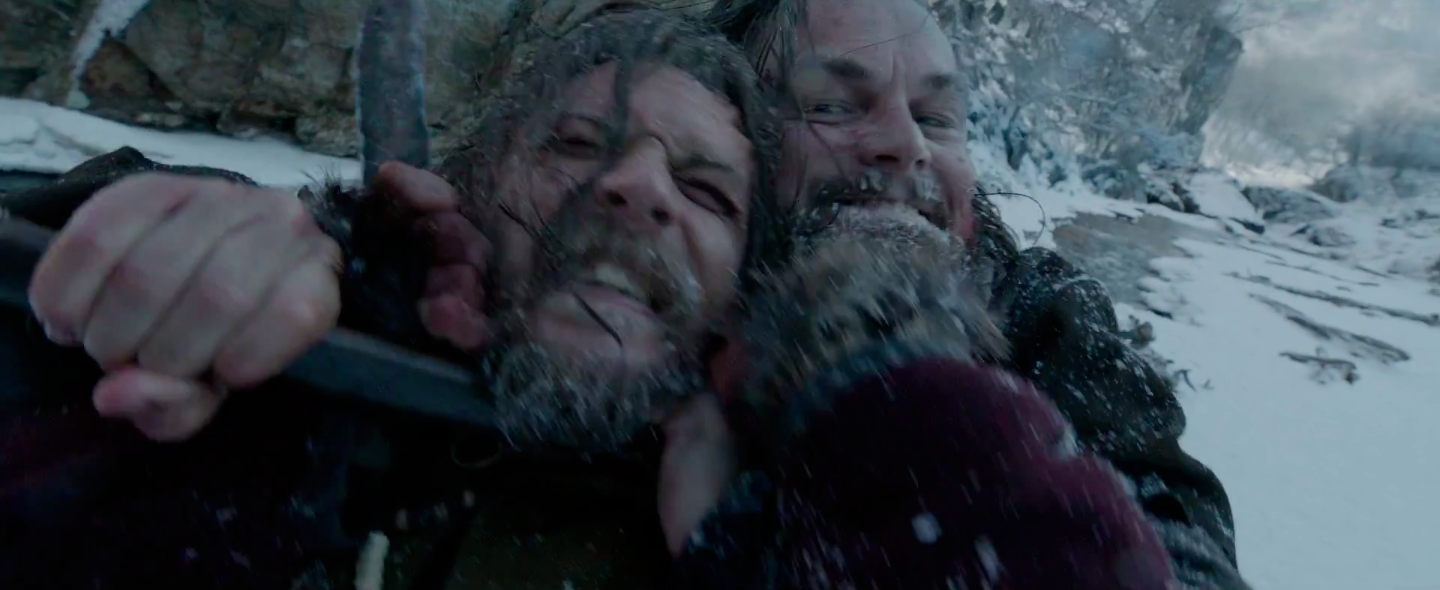
The film that i have studied "The Revenant falls into the genras of drama as well as action adventure. This makes it a "hybrid Genre". The stills I have included below emphisise th mood of the of the film.


sub-genres
a "sub-gebre is a genre is as a genre within a genre so for example horror woud contain the sub genres of "slasher films" "hammer horror" and others
The term "Sub-Genre" was first coined by Barry Keith Grant in 199
What "Sub-Genre" does "The Revenant" fit into?
"The
Revenant" fits very well into the Sub-Genre of "survival films” as
well as "Revenge Films"
Why do audiences
like genre?
Patrick Phillips
"Genres fulfil audiences’ expectations y following predictable patterns -
we know what to expect from a text."
"The
Revenant" quite a predictable film which provides audiences with
familiarity with its themes of "Western" film- making and a straight
up revenge story. The promotional material for the film made the story quite obvious
to the audience. The main hero is nearly killed and goes after the person responsible
for his near death can be established from watching any of the trailers or
reading some of the descriptions of the film.
Why do
Media companies like the idea of genre?
Media companies
like the idea of genre because they allow them to release he films at a time
when they will be successful (horror movies at Halloween or action in the
summer)
Key
theory: Branston and Stafford (1999)
Genres:
1. help
to minimise risk and predict expenditure.
2. Are a
blueprint for success
3. genre conventions also make it
easier to market and sell products to audiences.
Why was the Revenant successful?
The Revenant came out in the autumn when the Oscars were just
around the corner. The way that the film was promoted made it appear as an
"artistic film" which made it appeal to the critics who were rampant
looking for Oscar worthy performances. The promotion did not ostracize those of
a less artistic nature however, and also showed off the films extensive action sequences
to rope more casual viewers in.
what else do audiances like apart from familiarity about genre?
Actors - Audiences may for and see films for the purpose of
a "typecast" actor
emotions - Key Theory 4: Rick Altman (1999) “Genre offers emotional
pleasure"
1. emotional pleasures (nostalgia, Happy, Sad)
2. visceral pleasure - "gut" responses - excitement
or disgust.
3. Intellectual puzzles- making the audience think about
what is going on.
What pleasures does "the revenant" offer?
The Revenant contains several examples of visceral pleasure
with the audience being disgusted with the scenes of graphic violence.
do different genres reflect wider ideas about sociaty and/ or themes?
There are several themes in films that reflect real life societal
issues. For example, the sub- genre of "slasher horror" usually
contains a mentally unstable antagonist.
The Revenant deals with the importance of family and the
extraordinary lengths that some people can go to just to get revenge on
somebody who has done them wrong. This is shown by the way that the main
character "Hugh Glass" essentially comes back from the dead to hunt
down is sons murderer.